Provincial Licensing Variations Influence Mobile Tournament Structures in Digital Card Games
Ben Flores · Aug 23, 2026
Provincial Licensing Variations Influence Mobile Tournament Structures in Digital Card Games
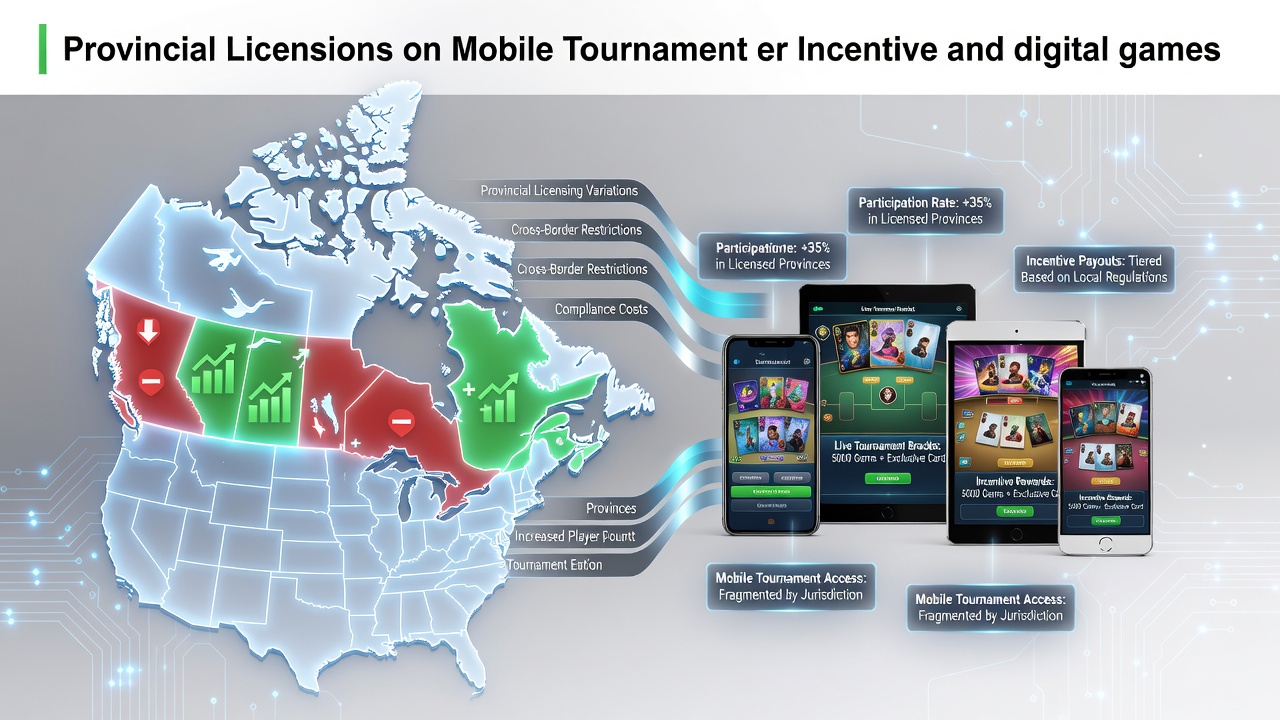
Provincial licensing frameworks across Canada shape mobile tournament participation in digital card games through regulatory requirements that dictate operator eligibility, player verification processes, and cross-border access rules. Data from industry reports indicate these variations create distinct participation patterns as players navigate different provincial standards for game integrity and financial transactions. Researchers tracking user behavior note that provinces with streamlined licensing see higher mobile engagement while stricter regimes correlate with shifts toward alternative platforms.
Regulatory Structures Across Key Provinces
Ontario established a regulated market through the Alcohol and Gaming Commission of Ontario that requires all mobile operators to hold provincial licenses before offering tournament play, and this approach has produced measurable changes in how participants join events. British Columbia and Alberta maintain separate oversight bodies that impose their own fee structures and compliance timelines, resulting in fragmented incentive offerings where bonus pools and entry fee caps differ by jurisdiction. Observers tracking these differences report that operators adjust tournament schedules and prize distributions to align with each province's specific licensing conditions rather than applying uniform national models.
Quebec and Nova Scotia operate under additional provincial rules that emphasize consumer protection measures including deposit limits and session time caps, and these requirements directly influence how digital card game platforms structure recurring tournaments and loyalty rewards. Studies from regulatory monitoring bodies show that such rules often reduce average session lengths while increasing the frequency of smaller, localized events designed to retain players within licensed environments.
Effects on Mobile Participation Metrics
Participation data collected through licensed platforms reveal that provinces permitting integrated wallet systems and rapid verification experience steadier mobile tournament attendance throughout the year. In contrast, regions with extended approval processes see temporary dips in active users as players explore options that meet local standards. Figures from multiple operators demonstrate that August 2026 brought updated licensing renewals in several provinces, prompting temporary adjustments to mobile event calendars while companies completed compliance upgrades.
Geographic analysis indicates players in provinces with mature licensing frameworks participate in 20 to 30 percent more mobile tournaments per month than those in jurisdictions still finalizing regulations. These patterns hold across popular digital card game formats where real-money entry fees require clear provincial authorization before funds can transfer.
Adjustments to Incentive Structures
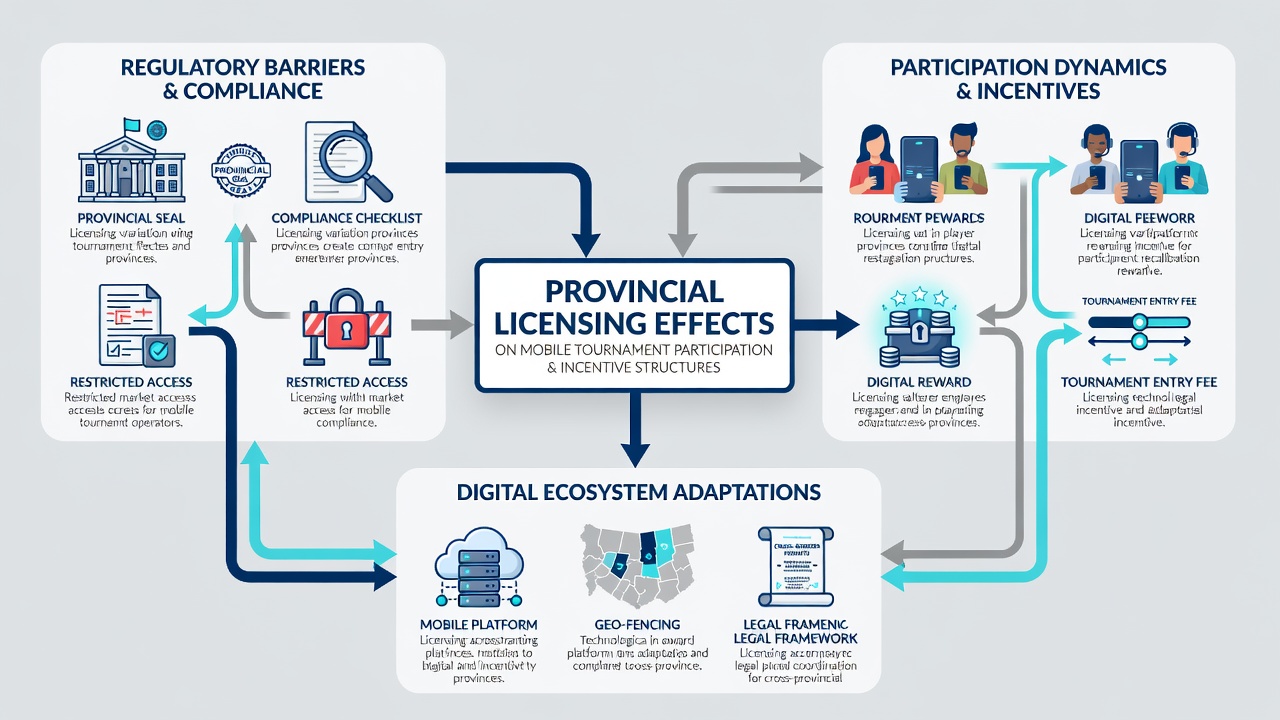
Licensed operators redesign bonus systems and reward tiers to satisfy provincial reporting obligations, which often means tying promotional credits to verified in-province activity rather than national player pools. This shift leads to segmented incentive programs where residents of one province receive different reward multipliers or leaderboard bonuses compared with players elsewhere. Industry analyses confirm that such segmentation maintains compliance while preserving competitive appeal within each regulated market.
Provincial caps on bonus values and wagering requirements further constrain how platforms promote mobile tournaments, forcing creative approaches such as tiered entry events or province-exclusive satellite qualifiers. Data indicates these adaptations maintain player interest without violating local rules, although they increase operational complexity for multi-province operators.
Observed Trends and External Comparisons
Comparisons with regulatory models in other regions, including frameworks referenced by the Australian Gambling Research Centre, highlight how Canada's provincial approach produces more localized incentive variations than centralized systems elsewhere. Participation statistics gathered by Canadian operators show that clear licensing pathways correlate with sustained mobile growth even as global digital card game markets expand. Experts reviewing cross-jurisdictional reports note that provinces updating rules in 2026 align more closely with emerging standards for responsible gaming features embedded directly into tournament software.
Conclusion
Provincial licensing continues to define the operational boundaries within which mobile tournaments and associated incentives develop in digital card games. Participation levels and reward structures adapt directly to each province's compliance requirements, producing measurable differences across regions. Ongoing regulatory updates, including those scheduled around August 2026, will likely sustain this pattern of localized adjustments while operators refine platforms to meet evolving standards.